A Dermatologist's Guide To Living With Psoriasis In Singapore
Why plaques form, the injury response that quietly makes them spread, what our climate does for you and against you, and an honest account of where shower water fits, including where it doesn't.

I've practised dermatology for over 20 years, and psoriasis is one of my subspecialty interests, alongside eczema and acne. Psoriasis patients tend to arrive well-read, having managed a lifelong condition for years, and they deserve a guide that respects that. So this one is more candid than most: where the evidence is strong I will say so, and where it is thin, including on a topic this guide is sponsored to discuss, I will say that too.
What Psoriasis Actually Is
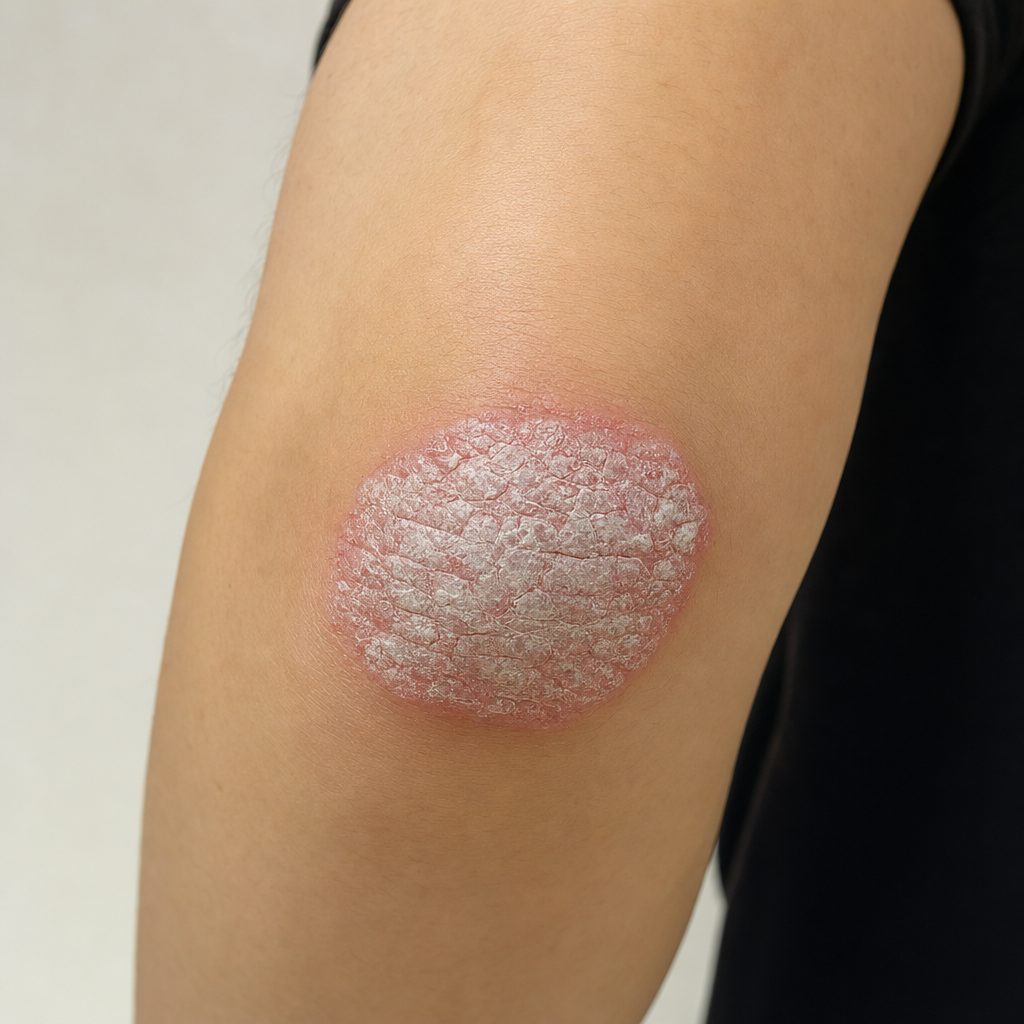
Psoriasis is not dry skin, it is not contagious, and it is not caused by poor hygiene. It is a chronic, immune-mediated disease. Singapore's own national guideline describes it as a "chronic multisystem, autoimmune and inflammatory dermatological condition" that usually persists throughout life, with spontaneous remission rarely seen1.
The immune signal comes first. Dendritic cells in the skin release a messenger called IL-23, which activates a class of T-cells that release IL-17. That signal instructs the skin's surface cells to multiply far faster than they should. We are unusually confident about this pathway for a simple reason: drugs designed to block those exact molecules clear the disease, and several of them are approved and in use here.
The result is skin built in a hurry. Healthy skin cells take roughly 28 days to travel from the base of the epidermis to the surface, maturing along the way and shedding invisibly. In psoriasis, that journey collapses to three to five days. The cells reach the surface unfinished and pile up, and that pile is the silvery scale you can see and feel.
And the barrier leaks, but for a different reason than in eczema. Measured directly, psoriatic skin loses water faster than healthy skin, and not only within the plaques: uninvolved skin on the same patient leaks more than a control's skin does2. This matters for how you should read advice written for eczema. In eczema the barrier defect largely comes first and drives the inflammation. In psoriasis the immune drive comes first and the barrier fails downstream, because cells never mature properly. Both conditions end up with skin that holds water poorly, which is why moisturiser helps in both. But in psoriasis moisturiser is a supporting act, not the lead.
The Injury Response Most Patients Have Never Heard Of
If you take one thing from this guide, take this one. In roughly a quarter to a third of people with psoriasis, injuring healthy skin causes a brand new plaque to grow at the site of the injury. This is called the Koebner phenomenon, and it is well documented: under experimental conditions, deliberately injuring skin produced new plaques in about 25% of patients3.
The detail that should change your behaviour is that depth matters enormously. In the same body of research, injury deep enough to reach the dermis produced new lesions in 9 of 14 patients. Superficial injury that only disturbed the outer layer produced them in just 8 of 373. Documented triggers include scratching, tattooing, surgical incisions, sustained pressure on the skin, and hot water burns.
This is the single most actionable thing in psoriasis self-care, and it is why almost every recommendation below is about being gentler rather than more aggressive. Scale should be softened and allowed to lift, never scrubbed, picked, or exfoliated off. Loofahs, exfoliating mitts, brushes, salt scrubs and vigorous towelling are all working against you.
How Common Is Psoriasis Here? An Honest Answer
You will find claims online that psoriasis affects about 1% of Singaporeans, or roughly 40,000 people. I traced that figure to a pharmaceutical company's media release, not to a study, so I am not going to repeat it as fact. There is no published population-based prevalence study for Singapore. I would rather tell you that than give you a confident-sounding number I cannot stand behind.
The closest genuinely rigorous data comes from just across the causeway. A population study of over 1.16 million people in multiethnic Johor Bahru found the following4:
overall prevalence over 11 years, roughly 1 in 300 people4
the two age peaks when psoriasis typically first appears4
of psoriasis patients have scalp involvement, the most commonly affected difficult site5
That study also found a clear ethnic gradient in a population much like ours: 0.54% among Indian patients, 0.38% among Chinese, and 0.29% among Malay4. Men were affected somewhat more often than women. Scalp psoriasis deserves its own mention because it is both the most common difficult site and the most under-treated, largely because getting medication through hair onto skin is genuinely awkward and people give up.
What Singapore's Climate Does To Psoriasis
Here I have good news that surprises most patients, and it is the opposite of what I tell my eczema patients. Psoriasis generally does better in warm, humid, sunny climates. Prevalence is higher in cooler countries, cold and low humidity are recognised aggravators, and people who move from temperate to tropical environments sometimes improve markedly or clear entirely6. Sunlight genuinely helps psoriasis, which is why controlled ultraviolet light is an established medical treatment for it.
So living here is, on balance, a tailwind. But it is not all tailwind, and the local nuisances are real:
- Air-conditioning creates a cold, dry micro-climate indoors, which is precisely the condition psoriasis dislikes. Many Singaporeans effectively spend their working lives in a temperate winter.
- Sweat, friction and occlusion under waistbands, bra straps, and tight clothing aggravate plaques mechanically, and mechanical aggravation is exactly what the Koebner response punishes.
- Skin folds stay damp here, and inverse psoriasis in the groin, under the breasts and in the armpits is more troublesome in a humid climate.
- Frequent showering is a practical necessity in this weather, which means more daily opportunities to handle your skin badly.
A word of caution on the sunshine, since I know how this reads: therapeutic ultraviolet light is carefully dosed and medically supervised. Deliberate sunbathing is not the same thing, and it carries real photoaging and skin cancer risk. If you want light treatment, ask for it properly rather than improvising on a beach.
How I Explain Treatment: Control, Not Cure
There is no cure for psoriasis, and anyone offering one is being dishonest with you. What we have is genuinely good control, and it has improved enormously in the last decade. Control rests on five pillars.
Moisturise, but understand its job
Emollients measurably improve barrier function in psoriasis7, reduce scaling, relieve itch, and make plaques more comfortable. Apply generously, at least twice daily, and always within a few minutes of showering while skin is still damp. What moisturiser does not do is switch off the immune signal driving the disease, so it supports your medical treatment rather than substituting for it.
Soften scale, never scrub it
This is the Koebner pillar. Use a keratolytic such as salicylic acid to chemically loosen thick scale, then let it come away on its own. Salicylic acid at 5 to 10% softens and lifts scale and helps other medications penetrate8, which is why it is often the first step in scalp treatment. Then stop. No scrubbing, no picking, no exfoliating, no stiff brushes. Every plaque you attack physically is an invitation for a new one.
Make your shower gentler
Where water fitsYou shower every day in this climate, often twice. That makes the shower the single most repeated physical event your skin experiences, and it is where hot water, harsh cleansers, vigorous towelling and mineral-laden water all converge. I go through what the evidence does and does not support below, in more detail than a sponsored guide is usually comfortable with, because you deserve to see where the line is.
Address the triggers that are actually proven
Smoking is the big one, and the evidence is strong: it raises psoriasis risk by around two-thirds, with a clear dose-response relationship, and former smokers remain somewhat elevated9. Alcohol shows a weaker association that the same researchers explicitly caution against overstating9. Streptococcal throat infection can trigger the guttate form. Certain medications, notably lithium and beta blockers, can provoke or worsen it, so tell any doctor prescribing for you that you have psoriasis. Stress is a genuine trigger, not an imagined one.
Use medical treatment properly, and escalate when you should
Singapore's national guideline recommends topical corticosteroids, calcipotriol and topical calcineurin inhibitors; phototherapy as second-line for disease covering more than 10% of the body; then methotrexate, ciclosporin, acitretin or apremilast; and biologics including secukinumab, ixekizumab, ustekinumab, adalimumab, infliximab and etanercept1. Roughly one in five patients has disease severe enough to warrant systemic treatment. Ixekizumab and secukinumab are listed for government subsidy through the Medication Assistance Fund for patients whose disease has not responded to previous treatment10. Subsidy lists change, so check the current position with your doctor.
The Daily Exposure Almost Nobody Addresses
Everything above is about calming an over-reactive immune system and protecting skin that has stopped holding water properly. So it is worth asking what that skin actually meets, twice a day, every day, in this climate.
Chlorine is in your water precisely because it is chemically aggressive. That is not a scare line, it is the entire mechanism of disinfection. Chlorine works by oxidising the proteins and lipids of anything living, and it cannot distinguish between a microorganism in the pipe and the protein and lipid structure of your outer skin layer. PUB's own published figures put Singapore's supply at an average 2.27 mg/L total chlorine, of which 2.10 mg/L is monochloramine16. Chloramine is chosen deliberately because it is the more persistent form: it holds its residual all the way through the network to your flat, and unlike free chlorine it does not readily dissipate on standing.
One comparison puts that in perspective. WHO guidance is that a well-managed swimming pool should keep combined chlorine below 0.2 mg/L. Singapore's tap water runs at 2.10 mg/L, roughly ten times that level. Most people assume the pool is the chemical exposure and the shower is the neutral one. On this measure it is the other way round.
And chlorine at these concentrations has been measured doing something to human skin. The most careful study of this washed 80 people in water of varying chlorine content. At just 1.5 parts per million of free chlorine, below Singapore's total residual, the researchers recorded17:
- Significantly increased redness in the chlorinated arm, which the authors attributed in their own words to "a specific irritant effect of free chlorine".
- The highest levels of interleukin-1α, an inflammatory signalling molecule in the skin. This is the detail that matters most: hard water without chlorine produced no such rise. The inflammatory signal required the chlorine.
- The largest shifts in skin surface pH, again in the chlorinated arms.
Separately, when athletes were measured before and after two hours in chlorinated water, water loss through the skin rose significantly at every site tested, well beyond what land-based athletes showed after an equivalent training session18.
Now set that against what psoriasis has already done to your skin. Measured directly, psoriatic skin loses water faster than healthy skin, and not only inside the plaques: even your uninvolved skin leaks more than a control's does2. The lipid mortar is depleted, with ceramide 1 significantly reduced in plaques. So you are meeting a daily oxidising agent with less barrier reserve than the healthy volunteers in those studies had. An exposure that visibly reddens intact skin and raises an inflammatory marker is landing on skin that is already inflamed, already leaking, and already primed to react. And it lands on the Koebner problem too: anything that irritates and provokes scratching is working against the single most actionable rule in this guide.
Which is why I think removing it is genuinely worth doing. Of all the changes my psoriasis patients can make, filtering the water is the easiest to sustain, because after installation it asks nothing of you at all. Every shower afterwards is automatically gentler, with nothing to remember and nothing to keep up, and for a condition where consistency beats intensity that property is worth a great deal. It takes a recurring oxidising irritant off skin that has no reserve to spare, and it makes the softening-not-scrubbing rule far easier to follow. It is not a substitute for the pillars above, and it will not clear plaques on its own, but it removes something that has been quietly working against them.
One myth to clear on the way past. You will see filtered water sold in Singapore on a hard-water argument. Singapore's water is soft, averaging 42.7 mg/L16, so that particular pitch does not apply here and a water softener would be money wasted. The variable that matters in our supply is the disinfectant, not the minerals.
"Hold on. Isn't mineral water supposed to be good for psoriasis?"
This is the right question, and it is the honest counterweight to everything above. Yes: Dead Sea climatotherapy is one of the best-documented non-drug treatments in psoriasis. A four-week programme produced an average 88% reduction in disease severity scores, with visible symptoms staying away for a median of about three months afterwards12. So mineral-rich water is hardly the villain of this story.
But look at what is actually in that treatment. The Dead Sea sits below sea level, and the sunlight reaching it has an unusual ultraviolet spectrum. The programme combines that daily controlled sun exposure with the mineral bathing. The ultraviolet component is doing much of the work, and the mineral water cannot be credited on its own. The same study also found the benefit was not durable, and other work found increased sun damage in treated patients.
My conclusion from all of this is deliberately unexciting: the mineral content of your shower water is not a meaningful lever in psoriasis, in either direction. Anyone telling you minerals in water are ruining your skin is overstating it, and so is anyone selling you mineral water as a treatment.
So where does that leave a showerhead? Not as a treatment, and I would not want you to buy one expecting your plaques to clear. But as a way of making the most repeated physical event in your week less hostile to skin that has no reserve, it is one of the few interventions that asks nothing of you once it is installed. Hot chlorinated water strips lipids you are already short of. A gentler shower also makes it far easier to follow the softening-not-scrubbing rule, which is the single best-evidenced piece of self-care in psoriasis. Those two things together are a genuinely reasonable purchase, with a money-back guarantee behind it.
What To Look For In A Shower Filter (And What I Use)
If you decide a gentler shower is worth it to you, four things matter:
- De-chlorination that works in hot water. Many filter media perform well in cold water and poorly at shower temperatures. Calcium sulfite is the medium with the best hot-water performance, which is the condition that actually matters. And because most of Singapore's residual is chloramine rather than free chlorine, the filter needs a KDF-55 stage as well, which is the medium that reduces chloramine.
- A physical filtration stage for the sediment, rust and particulates that older pipes contribute.
- It must fit a Singapore bathroom, which almost always means a handheld shower on a standard hose fitting.
- Maintenance you will actually keep up with. An expired filter is an ornament. Automatic refill delivery beats a reminder you ignore.

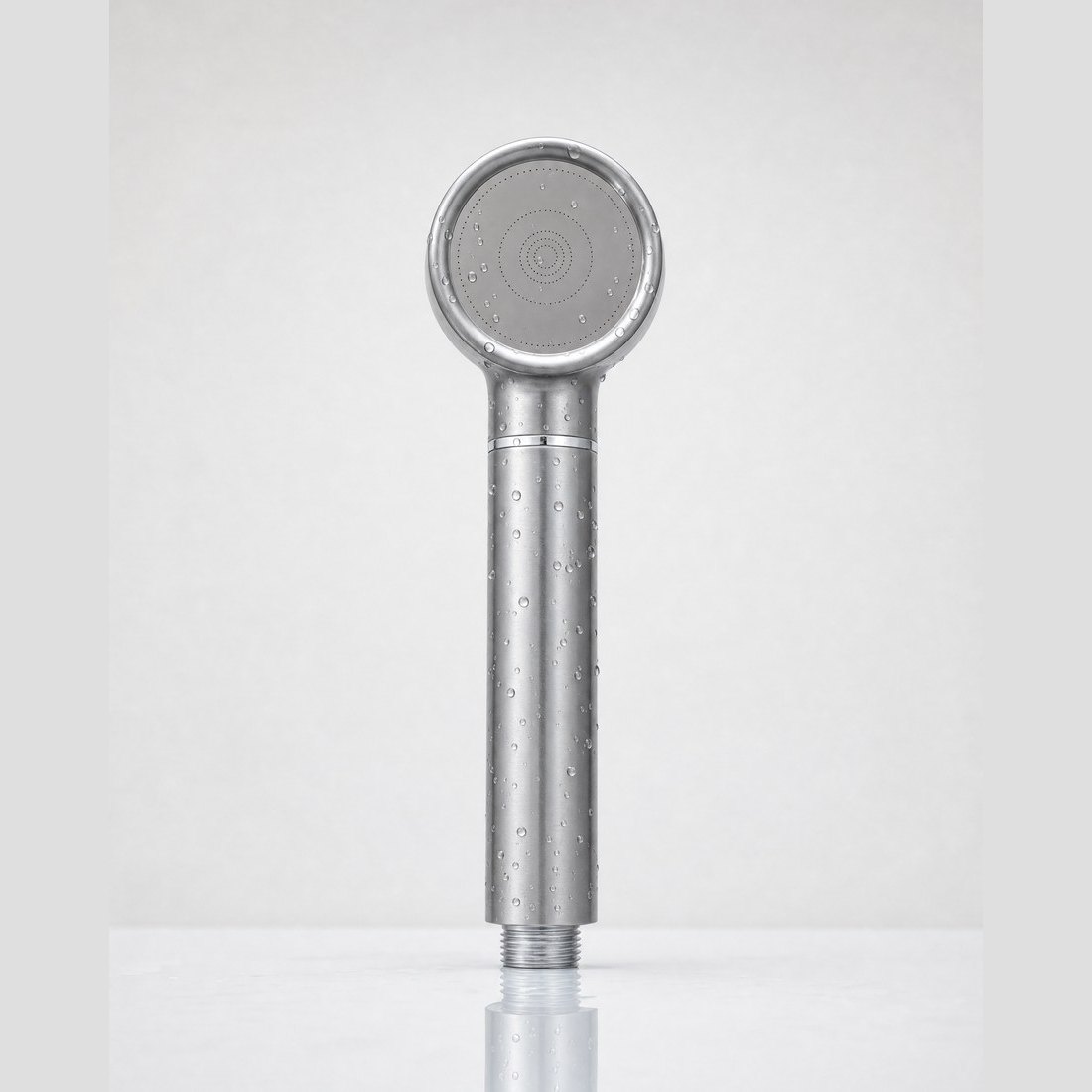
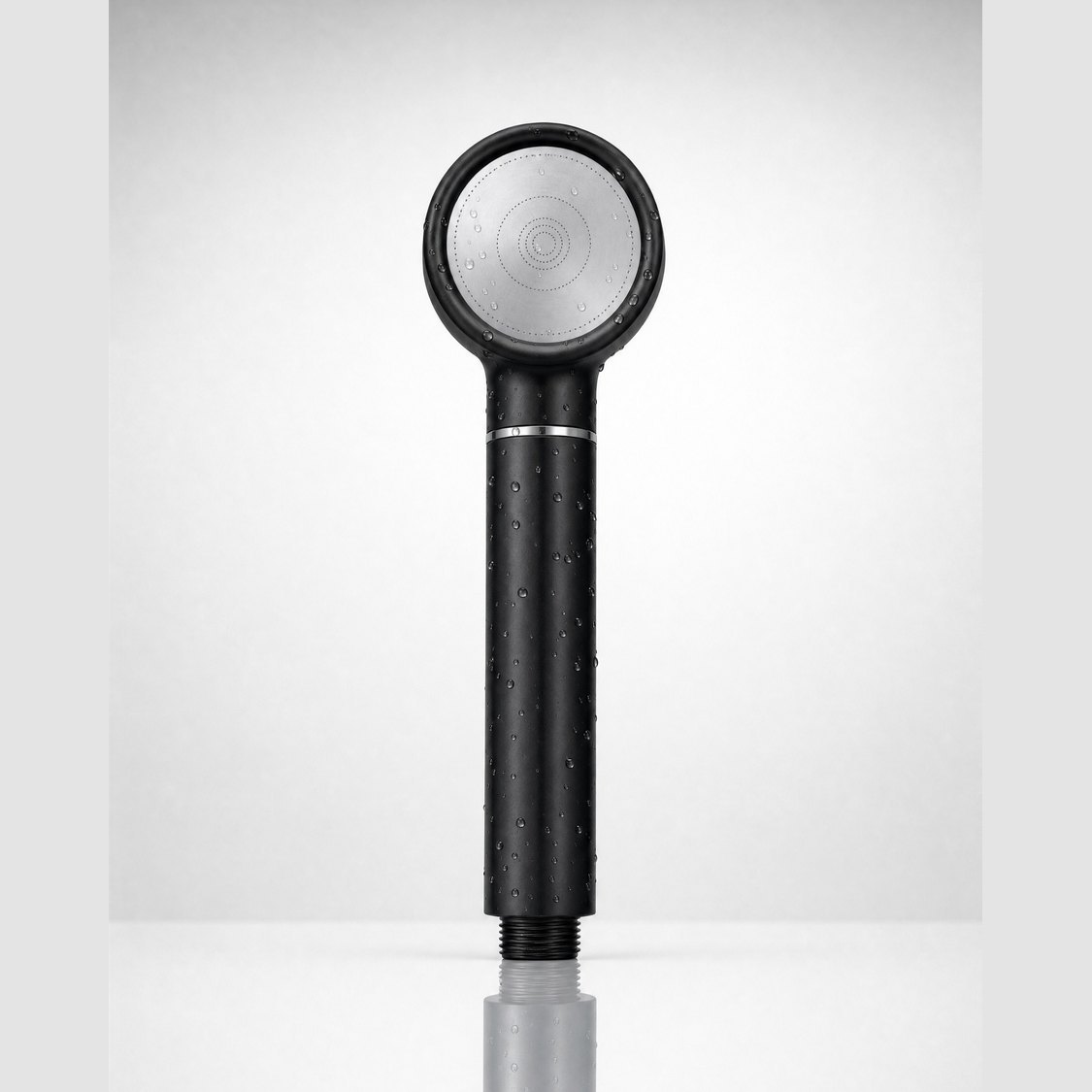


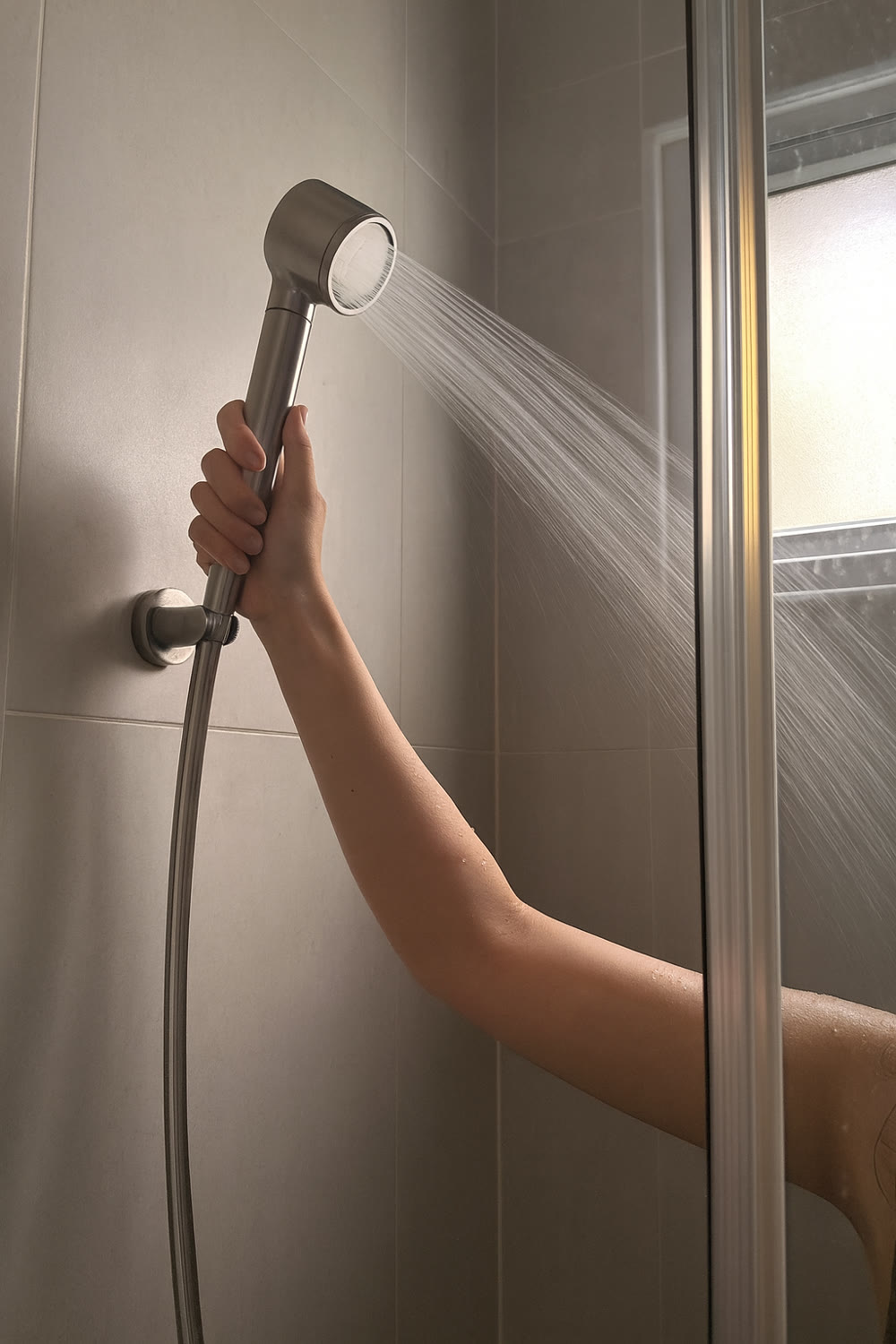
The one I use: Halo
I compared the filtered showerheads available in Singapore against those four criteria in a separate guide, and the Halo Filtered Showerhead is the one I recommend and use at home. It pairs KDF-55 and calcium sulfite in the head with an ultrafine PP cotton stage in the handle at 1 micron, removes 99.9% of chlorine and chloramine along with heavy metals, exceeds NSF-177 standards, fits standard Singapore hose fittings in about five minutes, and sends fresh filters automatically every 60 days at S$39 on subscription.
It is S$125, less with code RELAX15, with a 30-day money-back guarantee, so trying it carries no real risk. It removes a daily irritant from skin that cannot afford one. It is not a psoriasis treatment and does not replace the pillars above.
Check Halo Availability →The Shower Routine I Give My Psoriasis Patients
Pin this next to your bathroom mirror
- Lukewarm water only. If the mirror fogs up, it's too hot. Hot water burns are a documented Koebner trigger.
- Soften, don't scrub. Let warm water and your keratolytic loosen the scale. Whatever doesn't lift on its own stays put until tomorrow.
- Nothing abrasive, ever. No loofah, no exfoliating mitt, no brush, no salt scrub, no fingernails.
- Gentle, fragrance-free, soap-free cleanser, only where you need it. Traditional alkaline soap strips an already-leaky barrier.
- Pat dry. Rubbing a towel over a plaque is exactly the mechanical trauma we are avoiding.
- Moisturise within three minutes, on damp skin, generously. This does more than any product swap.
- Then apply your prescribed treatment as your doctor directed. The routine above is the groundwork, not the therapy.
The part of this guide I most want you to read
Psoriasis is not only a skin disease, and this is where I see real harm done by neglect rather than by anything you put on your skin.
- Psoriatic arthritis affects roughly one in five people with psoriasis overall, and about 14% in Asian populations13. Joint damage is permanent once it happens. New or persistent joint pain, morning stiffness, swollen fingers or toes, or a stiff lower back deserve prompt assessment, not a wait-and-see.
- Metabolic syndrome was found in 45.1% of psoriasis patients at a Singapore tertiary centre, close to three times the rate in the general Singapore population14. Malay patients in that study were significantly more likely to have raised triglycerides, raised fasting glucose and abdominal obesity.
- Cardiovascular risk is elevated enough that Singapore's national guideline mandates annual screening of blood glucose or HbA1c, lipids, blood pressure and weight as part of routine dermatological follow-up1. If nobody has done this for you, ask.
- Depression affects psoriasis patients at roughly twice the background rate, with depressive symptoms in about 28%15. This is a normal consequence of a visible lifelong condition, not a weakness, and it is treatable.
None of this is meant to frighten you. It is meant to make sure that when you next see a doctor, you ask for the blood pressure cuff and the blood test as well as the cream.
When To See A Dermatologist
Singapore's national guideline sets out when primary care should refer on1. Please seek specialist assessment if:
- Your psoriasis covers more than about 10% of your body, or is likely to need systemic treatment
- It is causing significant psychological distress, or affecting work, sleep, relationships or how you dress
- You are simply not satisfied with your current level of control
- Topical treatment has not achieved a substantial improvement
- You are getting side effects from topical steroids: thinning skin, stretch marks, or steroid-induced acne
- You have joint pain, stiffness or swelling, which needs assessment for psoriatic arthritis
Seek care urgently for widespread pustules, redness covering most of the body, or rapidly worsening unstable disease. These are recognised emergencies and are treated as such.
Also worth saying plainly: psoriasis treatment has changed dramatically. If your mental picture of the options is coal tar and steroid cream, that picture is a decade or more out of date, and it may be worth another conversation.
Frequently Asked Questions
It removes a daily oxidising irritant from skin that has very little barrier reserve left, and chlorine at concentrations below Singapore's own has been shown to redden skin and raise an inflammatory marker in it. It also makes it much easier to stop scrubbing at scale, which is the best-evidenced piece of self-care in psoriasis. So yes, it helps, and it keeps helping with no effort from you. It is not a replacement for your prescribed treatment, and on its own it will not clear plaques, but it removes something that has been working against them every single day.
No, not in any way. It is an immune-driven condition, not an infection. You cannot pass it to anyone by touch, by sharing a pool, a towel or a bed. It does run in families, which is genetic inheritance rather than transmission.
Swim. There is no evidence chlorinated pools harm psoriasis, the exercise is genuinely good for the cardiovascular risk that comes with this condition, and sunlight tends to help. Rinse off afterwards and moisturise, as you would after any drying exposure.
They overlap and are genuinely confused, sometimes even in clinic. Scalp psoriasis tends to form well-defined thickened plaques with thick silvery scale, often extending slightly past the hairline. Seborrhoeic dermatitis tends to be greasier, more diffuse, yellower and less sharply bordered. Some people have both. If medicated anti-dandruff shampoo is not working, that is worth investigating rather than escalating. I've written a separate guide to dandruff if you want to compare.
Used correctly, at the right potency, for the right duration, under medical guidance, they are effective and remain a first-line treatment. The harm I see more often is undertreatment: disease left to smoulder because of fear. The real side effects to watch for are skin thinning, stretch marks and steroid acne, which is exactly why this should be supervised rather than improvised.
Not in the way most diet advice implies. What is well established is that smoking substantially raises risk, that alcohol shows a weaker association, and that psoriasis travels with metabolic syndrome and cardiovascular risk. So the dietary advice that actually holds up is unglamorous: stopping smoking, moderating alcohol, and managing weight, blood pressure, glucose and lipids. Elimination diets have far weaker support than the internet suggests.
References
- Oon HH, Tan C, Aw DCW, et al. 2023 guidelines on the management of psoriasis by the Dermatological Society of Singapore. Ann Acad Med Singap. 2024;53(9):562-577. pubmed.ncbi.nlm.nih.gov
- Nikam VN, Monteiro RC, Dandakeri S, Bhat RM. Transepidermal Water Loss in Psoriasis: A Case-control Study. Indian Dermatol Online J. 2019;10(3):267-271. pubmed.ncbi.nlm.nih.gov
- Sagi L, Trau H, et al. Koebner phenomenon leading to the formation of new psoriatic lesions: evidences and mechanisms. Biosci Rep. 2019;39(12). ncbi.nlm.nih.gov
- Choon SE, Wright AK, Griffiths CEM, et al. Incidence and prevalence of psoriasis in multiethnic Johor Bahru, Malaysia: a population-based cohort study, 2010 to 2020. Br J Dermatol. 2022;187(5):713-721. pubmed.ncbi.nlm.nih.gov
- Egeberg A, See K, Garrelts A, Burge R. Epidemiology of psoriasis in hard-to-treat body locations: data from the Danish skin cohort. BMC Dermatol. 2020;20(1):3. pubmed.ncbi.nlm.nih.gov
- Yang J, Li G, Yue L, et al. The Impacts of Seasonal Factors on Psoriasis. Exp Dermatol. 2025;34(3):e70078. pubmed.ncbi.nlm.nih.gov
- Maroto-Morales D, Montero-Vilchez T, Arias-Santiago S. Study of Skin Barrier Function in Psoriasis: The Impact of Emollients. Life (Basel). 2021;11(7):651. pubmed.ncbi.nlm.nih.gov
- Mosca M, Hong J, Hadeler E, Brownstone N, Bhutani T, Liao W. Scalp Psoriasis: A Literature Review of Effective Therapies and Updated Recommendations for Practical Management. Dermatol Ther (Heidelb). 2021;11(3):769-797. pubmed.ncbi.nlm.nih.gov
- Chen D, Ye G, Yang J, et al. Smoking, alcohol consumption, and psoriasis risk: a systematic review and dose-response meta-analysis. Front Public Health. 2026;14:1840932. pubmed.ncbi.nlm.nih.gov
- Agency for Care Effectiveness, Ministry of Health Singapore. Interleukin inhibitors for treating chronic plaque psoriasis and active psoriatic arthritis. Updated 31 August 2022. ace-hta.gov.sg
- Mao R, Zhang T, Zhong Y, et al. Associations between domestic hard water exposure and incident psoriasis in adults: Insights from the UK Biobank cohort study. J Autoimmun. 2025;151:103373. pubmed.ncbi.nlm.nih.gov
- Emmanuel T, Lybæk D, Johansen C, Iversen L. Effect of Dead Sea Climatotherapy on Psoriasis; A Prospective Cohort Study. Front Med (Lausanne). 2020;7:83. pubmed.ncbi.nlm.nih.gov
- Alinaghi F, Calov M, Kristensen LE, et al. Prevalence of psoriatic arthritis in patients with psoriasis: A systematic review and meta-analysis. J Am Acad Dermatol. 2019;80(1):251-265.e19. pubmed.ncbi.nlm.nih.gov
- Chan WMM, Yew YW, Theng TSC, Liew CF, Oon HH. Prevalence of metabolic syndrome in patients with psoriasis: a cross-sectional study in Singapore. Singapore Med J. 2020;61(4):194-199. pubmed.ncbi.nlm.nih.gov
- Dowlatshahi EA, Wakkee M, Arends LR, Nijsten T. The prevalence and odds of depressive symptoms and clinical depression in psoriasis patients: a systematic review and meta-analysis. J Invest Dermatol. 2014;134(6):1542-1551. pubmed.ncbi.nlm.nih.gov
- PUB, Singapore's National Water Agency. Singapore Drinking Water Quality, January to December 2025. Total chlorine average 2.27 mg/L; monochloramine average 2.10 mg/L; total hardness (as CaCO3) average 42.7 mg/L. pub.gov.sg
- Danby SG, Brown K, Wigley AM, Chittock J, Pyae PK, Flohr C, Cork MJ. The Effect of Water Hardness on Surfactant Deposition after Washing and Subsequent Skin Irritation in Atopic Dermatitis Patients and Healthy Control Subjects. J Invest Dermatol. 2018;138(1):68-77. pubmed.ncbi.nlm.nih.gov
- Paciência I, Rodolfo A, Leão L, et al. Effects of Exercise on the Skin Epithelial Barrier of Young Elite Athletes: Swimming Comparatively to Non-Water Sports Training Session. Int J Environ Res Public Health. 2021;18(2):653. pubmed.ncbi.nlm.nih.gov