A Dermatologist's Guide To Rosacea In Singapore
Why your skin over-reacts to heat when everyone else's doesn't, which triggers are actually worth managing, the eye complication almost nobody is told about, and how to stop your daily shower setting the whole thing off.

I've practised dermatology for over 20 years. Rosacea patients arrive better read than almost any other group, usually after years of being told they just blush easily, and often after being treated for acne they never had. This guide is written for that person: what is actually happening in your skin, which of the trigger advice is worth following, and where the daily habits sit that nobody thinks to examine.
What Rosacea Actually Is
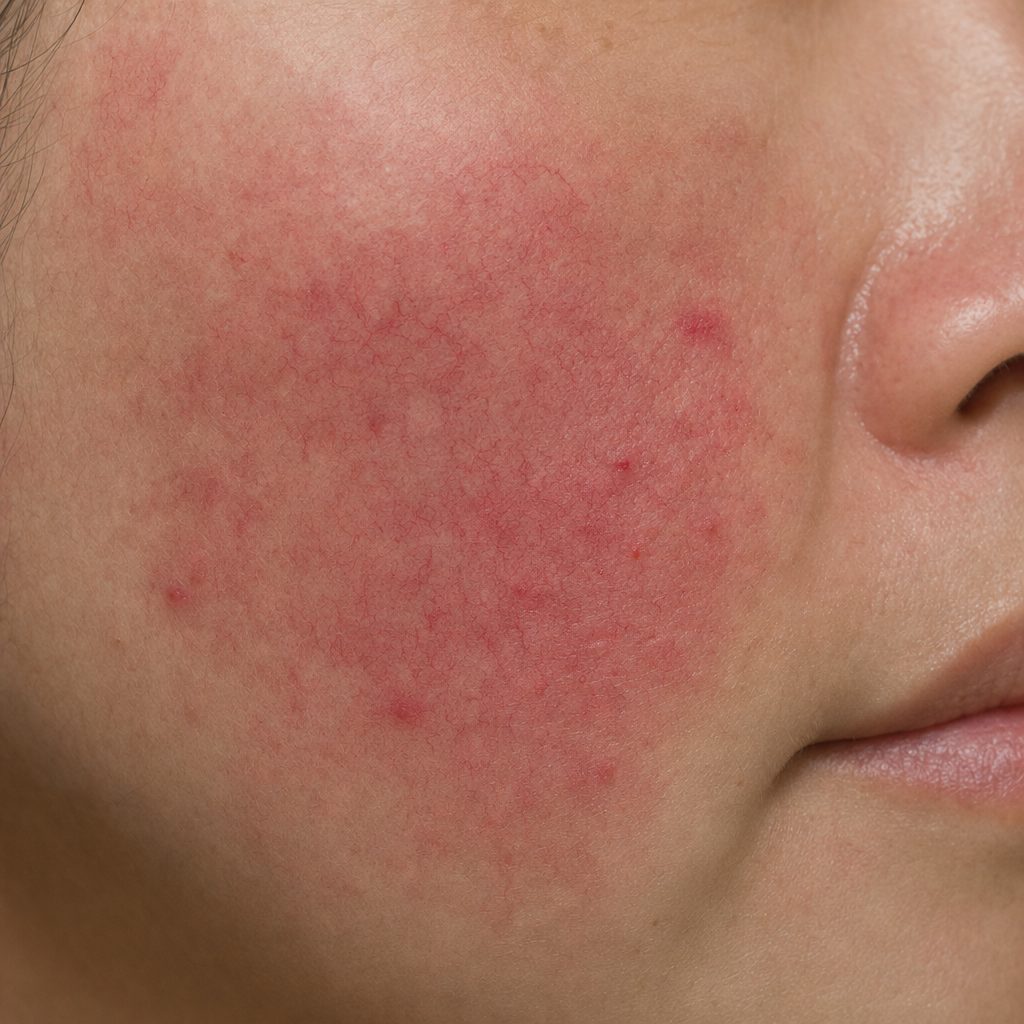
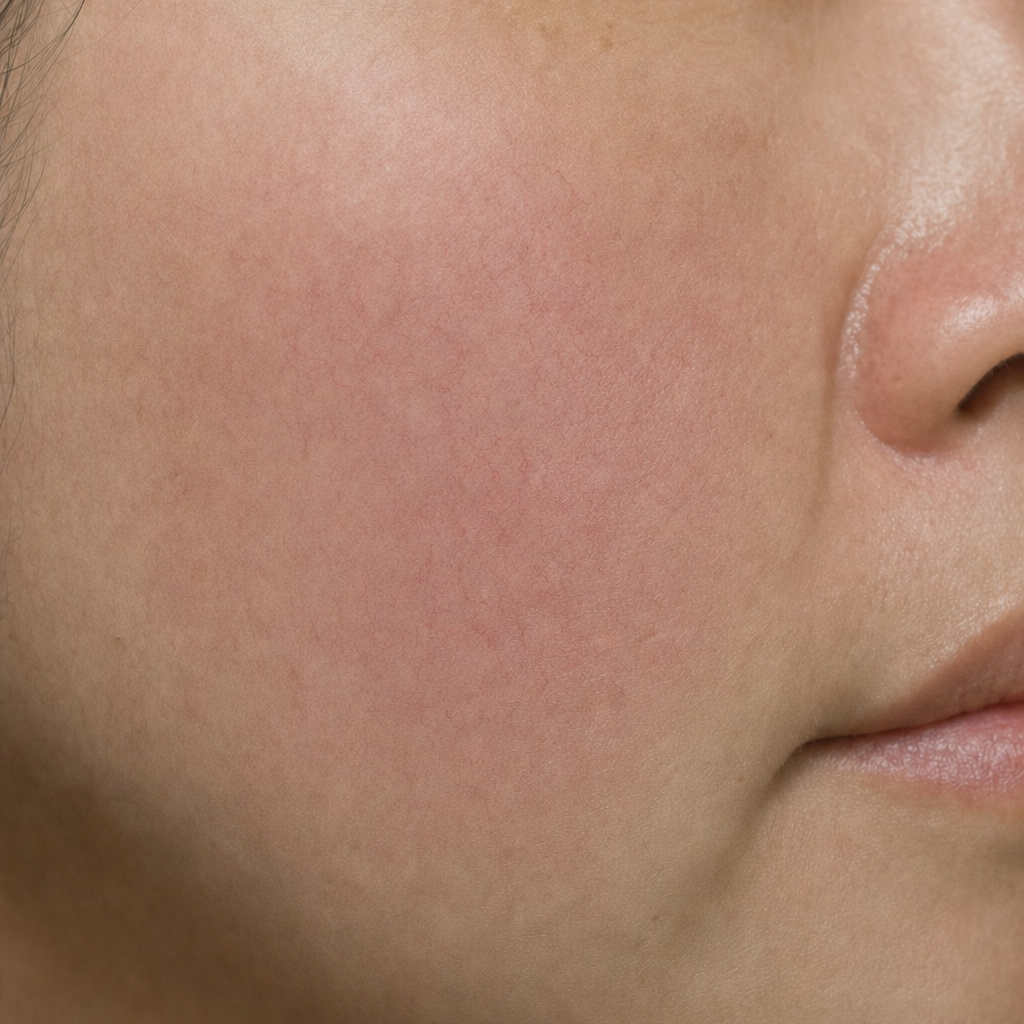
Rosacea is not adult acne, it is not caused by poor hygiene, and it is not a sign that you drink. It is a chronic condition of the facial blood vessels, nerves and immune system, in which the skin's normal responses are set far too sensitively.
The defining feature is persistent central facial redness that periodically intensifies. An international consensus panel concluded that this feature alone is diagnostic, as are phymatous changes where the skin thickens. Flushing, visible vessels and inflammatory bumps, on the other hand, were judged not to be individually diagnostic5. That matters because it means the redness that never quite goes away is the disease, not just its aftermath.
Three things are going wrong underneath. The immune system is over-active: people with rosacea produce abnormally high levels of an antimicrobial peptide called cathelicidin, and process it into unusual inflammatory forms via an enzyme called kallikrein-56. The blood vessels and the nerves that control them are over-reactive, which is what produces flushing. And Demodex mites, which live on everybody's face, are found at higher density in rosacea skin: one study measured a mean of 8.78 per square centimetre against 4.11 in controls19.
Why Your Skin Reacts To Heat When Other People's Doesn't
This is the part that explains the most, and it is the part most relevant to what you do every morning.
Your sensory nerves and skin cells carry receptors that detect heat and irritants. The best studied is TRPV1, which was identified as the receptor for capsaicin, the compound that makes chilli hot, and which opens in response to heat as well8. TRPV1 and its relative TRPA1 sit on nerve endings and on keratinocytes, and respond to temperature, pungent chemicals and reactive oxygen species9. In rosacea, these channels are not behaving normally: gene expression of TRPV1 is significantly increased in the redness-and-vessels form of the disease7.
You can measure the consequence directly. In a study of Chinese women, rosacea patients were significantly more likely to react to both a lactic acid sting test and a capsaicin test than either healthy controls or people with seborrhoeic dermatitis10. Reacting to capsaicin is a functional readout of exactly the receptor described above. Separately, when researchers put rosacea patients through whole-body heat stress and recorded the nerve traffic to facial skin directly, the sympathetic nerve responses to trigger events were measurably amplified compared with matched controls11.
How Common Is It Here?
Rosacea is often described as a fair-skinned European condition. That is only partly true, and the assumption causes real delays in diagnosis here.
pooled global prevalence across 26 million people3
in a Chinese population census with skin examination by dermatologists2
rosacea patients seen at Singapore's National Skin Centre over five years1
That Singapore series is worth knowing in detail, because it is our own data. Mean age at presentation was 42.8 years and 65% were women. The redness-and-vessels form made up 56.3% and the bumps-and-pustules form 37%. Notably, Indian and Caucasian patients were significantly more likely to present with the papulopustular form than Chinese patients1.
On whether rosacea is genuinely rarer in Asian skin, the honest answer is that nobody knows. In deeper skin tones the background redness is harder to see, which makes the diagnosis harder to reach, and reviewers have concluded it is therefore difficult to say the apparent difference in prevalence is real rather than a diagnostic artefact4. If you have been told for years that your face is just sensitive, that is a very common history.
The Triggers That Actually Matter
The best known trigger data comes from a survey of 1,066 rosacea patients by the National Rosacea Society14. It is a patient survey rather than a peer-reviewed study, and the population was largely Western, so treat it as a map of what patients report rather than as proof. It is still the most useful list available:
Look at how much of that list is thermal. Hot weather at 75%, hot baths at 51%, humidity at 44%, heavy exercise at 56%. And this is not only a Western pattern: in a study of 168 Korean patients, sun exposure and hot baths or exercise were the two most common precipitating factors identified15.
Which Makes Singapore A Difficult Place To Have Rosacea
You live somewhere that averages around 28°C and 82% humidity, which covers the top of that trigger list more or less permanently. You cannot change that, and I am not going to suggest you move.
What I would flag honestly is that the local climate research does not exist. Nobody has studied rosacea in a tropical population against a temperate one, and a Korean study of over 56,000 rosacea visits found no significant seasonal difference at all. Many of my patients describe the repeated hot-street-to-cold-mall transition as a reliable flush trigger, and the neurovascular over-reactivity described above makes that plausible, but no one has tested it. Treat it as a pattern worth noticing in yourself rather than an established fact.
The practical consequence is straightforward. When the climate is delivering a large part of your thermal trigger load and you cannot switch it off, the exposures you can control become disproportionately worth controlling. The largest of those, and the most repeated, happens in your bathroom.
Your Shower: Three Triggers At Once
A hot shower is not one exposure, it is three arriving together on the most reactive skin on your body.
Heat. The mechanism is set out above: heat-gated channels that are over-expressed in rosacea, on a nervous system that has been measured over-responding to thermal stress7,11. Hot baths sit at 51% on the trigger survey14 and rank in the top two in Korean clinic data15.
Contact time. This one has proper evidence behind it, and it is worth taking seriously. In a study of 3,439 Chinese adolescents, bathing for 11 minutes or longer was associated with more than double the odds of rosacea (adjusted odds ratio 2.60), and washing the face twice a day or more was also associated with higher odds (1.70)16. That same study, and I want you to have this because it cuts against a simple story, found no association with water temperature. So the strongest evidence here points at how long and how often you wash rather than at how hot the water is.
Chemical irritation. Singapore's water carries an average 2.27 mg/L total chlorine, of which 2.10 mg/L is monochloramine17, chosen for being the more persistent form. Chlorine disinfects by oxidising proteins and lipids, and it does not distinguish between an organism in the pipe and your skin. In a controlled study of washing at 1.5 parts per million of free chlorine, below Singapore's residual, researchers recorded significantly increased redness, attributed to "a specific irritant effect of free chlorine", along with the highest levels of interleukin-1α, an inflammatory signalling molecule18. Hard water without chlorine produced no such rise.
That last finding deserves a moment, because of what your condition is. The measured effect of chlorine on skin was redness and inflammatory signalling. Rosacea is a disease of redness and inflammatory signalling, in skin that has been shown to react to irritants more readily than anyone else's10. I should be clear that this study was done on healthy and eczema-prone skin, not on rosacea patients, so I am reasoning across from it rather than citing a rosacea result. Nobody has studied chlorinated water in rosacea, and I would rather tell you that than imply a trial exists.
What I would ignore, and what I would act on
Ignore hard water entirely. There is no study of water hardness and rosacea, and in any case Singapore's water is soft, averaging 42.7 mg/L17. A water softener would be money spent on a problem this country does not have.
Act on the three things above. Shorten the shower, which is the best-evidenced of the three. Bring the temperature down to warm rather than hot, which follows from a well-mapped mechanism even though the one study to test temperature directly was null. And take the chlorine out, which removes a documented cause of skin redness from the daily routine of someone whose condition is defined by redness. All three are cheap, none requires giving anything up, and together they turn the most repeated event in your week from a trigger into a neutral one.
How I Explain Treatment: Control, Not Cure
There is no cure for rosacea. There is very good control, and the current consensus is that the treatment goal should be complete clearance rather than partial improvement, because patients who reach clear stay better for longer21. Control rests on five pillars.
Sun protection, without exception
Sun is the single most reported trigger at 81%14, and in the Korean series it correlated specifically with the redness-and-vessels form15. Broad-spectrum SPF 30 or higher, every day, in this climate. Mineral filters based on zinc oxide or titanium dioxide are usually better tolerated on reactive skin than chemical ones.
Prescription treatment matched to your phenotype
Treatment now follows the features you actually have rather than a subtype label. For persistent redness, there is high-certainty evidence for topical brimonidine and moderate-certainty evidence for topical oxymetazoline20. For bumps and pustules, topical ivermectin, azelaic acid and metronidazole are all established, and azelaic acid 15% gel reduced inflammatory lesions by 58% against 40% on vehicle in phase III trials20. For more resistant disease, anti-inflammatory dose doxycycline at 40 mg works without acting as an antibiotic, which matters for resistance: across two phase III trials it roughly halved lesion counts against placebo22.
Take the heat and the chlorine out of your washing
Where water fitsShorter, cooler, and without the oxidant. This is the pillar you control completely, it costs nothing daily once set up, and it addresses the trigger category that dominates the survey list. The Asia-Pacific expert consensus on skincare in rosacea, led from Singapore, puts gentle cleansing alongside moisturising and photoprotection as the routine that supports every prescription treatment you are given23.
Repair the barrier, and stop irritating it
Rosacea skin is dry, stings easily and has a raised surface pH, with molecular evidence of a substantially disrupted barrier12. I will note that the evidence is not uniform: at least one careful study did not find raised water loss through the skin in rosacea13, so the picture is mixed rather than settled. What is not in doubt is the stinging: rosacea patients react to irritant tests far more than controls do10. Use a bland fragrance-free moisturiser, and avoid alcohol-based toners, witch hazel, menthol, eucalyptus, physical scrubs and cloths.
Know your own trigger list, not the generic one
Not every listed trigger applies to you. Alcohol is a good example: it sits at 52% on the patient survey, yet a case-control study in Estonia found no significant difference in alcohol consumption between rosacea patients and controls. Keep a simple diary for a few weeks and manage the two or three things that genuinely flush you, rather than restricting your whole life on the strength of a list.
The part almost nobody is told: your eyes
Rosacea affects eyes as well as skin, and it is routinely missed because the symptoms sound like ordinary tiredness or dryness.
Estimates of how many rosacea patients have ocular involvement vary enormously, from 6% to 72% across studies25, and one widely cited review puts it at around half26. In the Chinese population census, 31.3% reported ocular symptoms2. The problem is that ocular rosacea is frequently misdiagnosed, particularly when the eyes are affected before the skin26.
Tell your doctor, and ask for an ophthalmology referral, if you have:
- A gritty or foreign-body sensation, as though something is in the eye
- Dryness, watering, or burning that does not settle
- Light sensitivity, or recurrent styes and lid inflammation
- Any change in vision, or eye pain, which needs same-week assessment rather than a wait
Treatment works: lid hygiene, oral antibiotics and other measures all produce high response rates25. The reason to raise it is that untreated corneal involvement is the one part of rosacea that can threaten sight, and it is far easier to prevent than to repair.
What To Look For In A Shower Filter (And What I Use)
Given how much of the trigger list is thermal and how repeated the exposure is, making your shower a non-event is one of the higher-yield things a rosacea patient can do. Four things matter in a filter:
- De-chlorination that works in hot water. Many filter media perform well cold and poorly at shower temperatures. Calcium sulfite performs best hot, which is the condition that matters. And because most of Singapore's residual is chloramine rather than free chlorine, the filter needs a KDF-55 stage as well, which is the medium that reduces chloramine.
- A physical filtration stage for the sediment, rust and particulates that older pipes contribute.
- It must fit a Singapore bathroom, which almost always means a handheld shower on a standard hose fitting.
- Maintenance you will actually keep up with. An expired filter is an ornament.


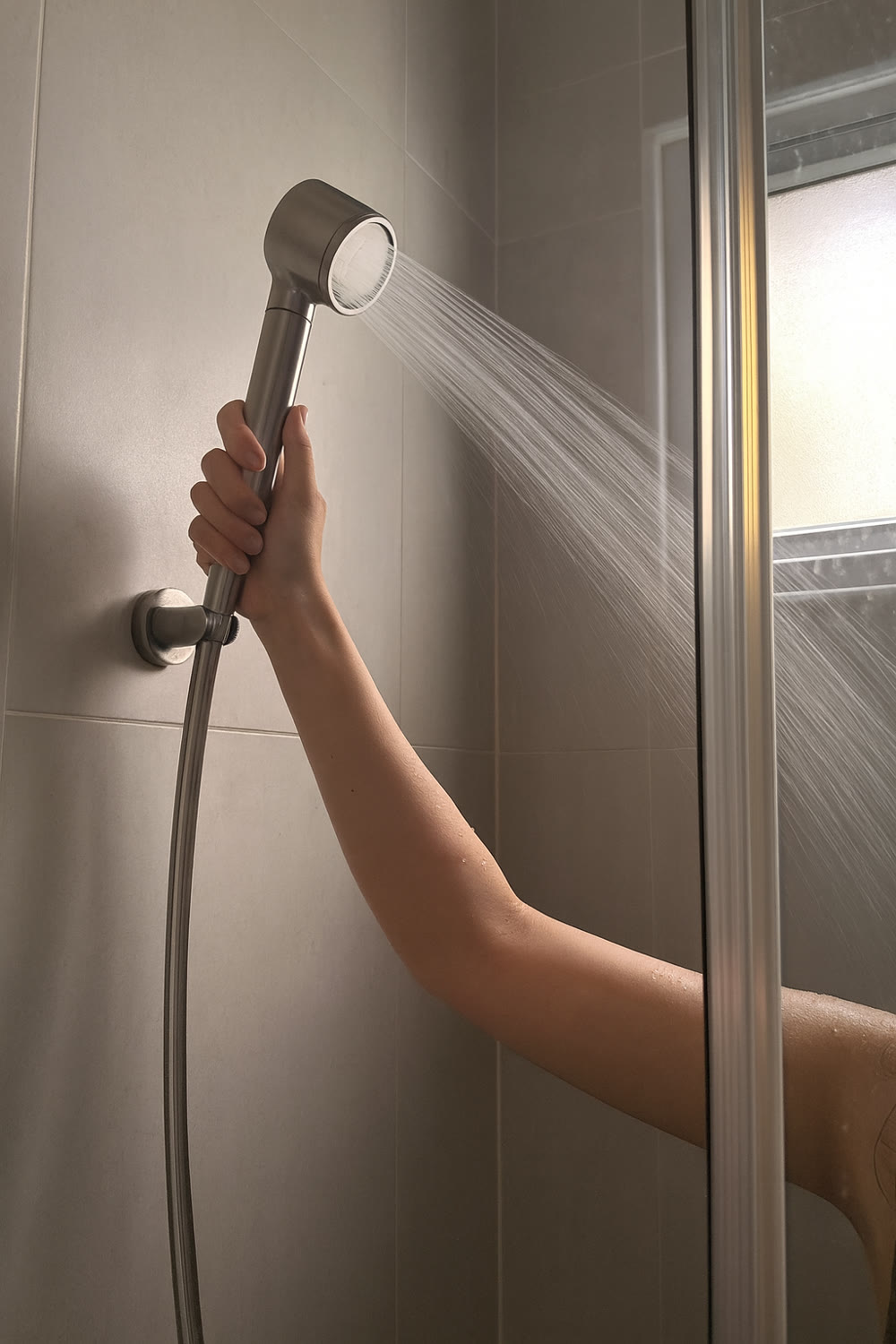
The one I use: Halo
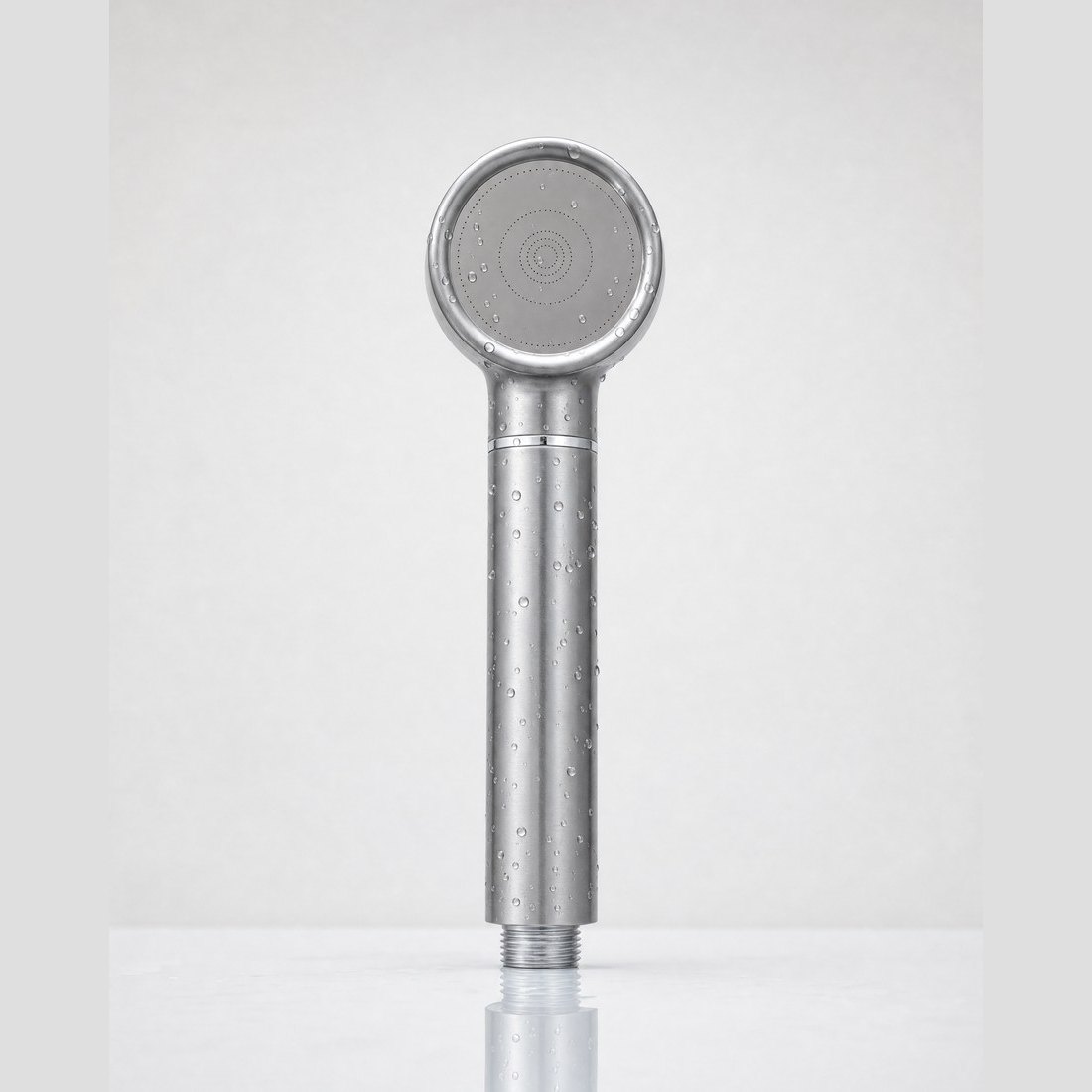
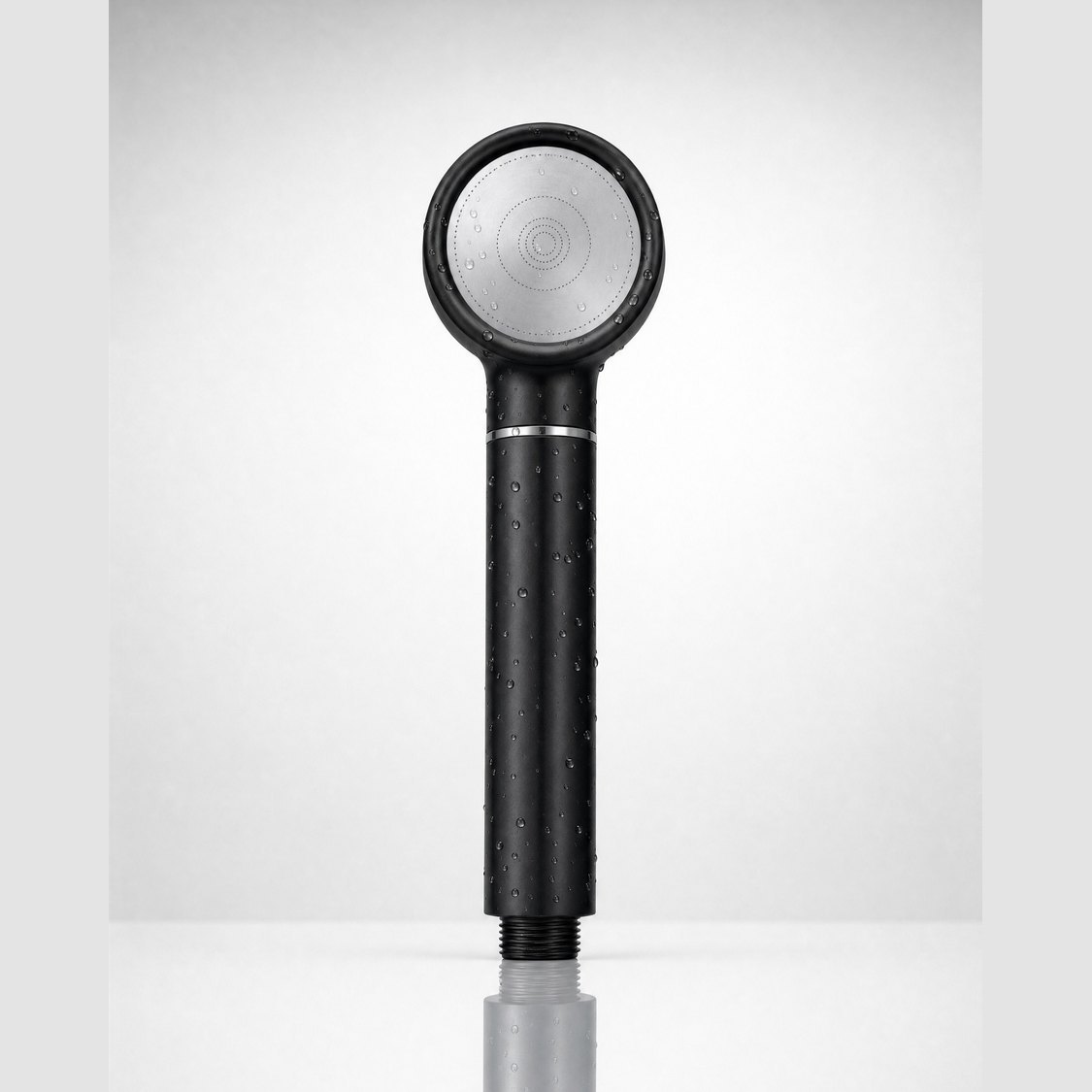
I compared the filtered showerheads available in Singapore against those criteria in a separate guide, and the Halo Filtered Showerhead is the one I recommend and use at home. It pairs KDF-55 and calcium sulfite in the head with an ultrafine PP cotton stage in the handle at 1 micron, removes 99.9% of chlorine and chloramine along with heavy metals, exceeds NSF-177 standards, fits standard Singapore hose fittings in about five minutes, and sends fresh filters automatically every 60 days at S$39 on subscription.
It is S$125, less with code RELAX15, with a 30-day money-back guarantee, so trying it carries no real risk. It takes a documented cause of skin redness out of a daily routine, on skin that reacts to irritants more readily than anyone else's. It is not a rosacea treatment and does not replace the pillars above.
Check Halo Availability →The Washing Routine I Give My Rosacea Patients
Pin this next to your bathroom mirror
- Keep it short. Under ten minutes, and ideally well under. This is the best-evidenced item on the list16.
- Warm, never hot. If your face is pink when you step out, the water was too hot for your skin.
- Filtered water, so the wash is not also an oxidant exposure.
- Cleanse the face twice daily at most, with a bland non-foaming or gently foaming fragrance-free cleanser. More often is associated with worse outcomes, not better16.
- Fingertips only. No washcloths, no sponges, no brushes, no exfoliation of any kind.
- Pat dry, never rub, and moisturise while the skin is still slightly damp.
- Sunscreen every morning, because the biggest trigger of all is waiting outside.
- Then your prescribed treatment, as directed. The routine above is the groundwork that lets it work.
When To See A Dermatologist
- Persistent facial redness that is not settling with gentle skincare and sun protection. Redness that has become constant is the disease itself, and it responds to treatment.
- Any eye symptoms at all, as set out above. This is the most commonly missed part of rosacea.
- Skin thickening, particularly around the nose. Phymatous change does not reverse on its own and is far easier to treat early.
- You have been using a potent topical steroid on your face. This deserves its own warning, below.
- A rash that spares the folds beside your nose, or comes with joint pains, fatigue or marked light sensitivity. That pattern needs assessment for lupus rather than rosacea treatment.
- It is affecting your mood or your social life. Among 774 Chinese rosacea outpatients, anxiety was recorded in 53.9% and depression in 58.1%. This is a normal response to a visible facial condition, and it is treatable.
A warning about steroid creams on the face
Potent topical steroids will make facial redness look better for a few days and considerably worse over months. A clinical study of 110 patients with steroid-induced rosacea-like dermatitis found the commonest presentation was diffuse facial redness, that most patients experienced a rebound flare when they stopped, and that the most frequently implicated drug was betamethasone valerate, which the authors attributed to its easy availability and low cost27. Steroid use in that series ran from four months to twenty years.
If you have been applying a steroid cream to your face, do not simply stop, because the rebound can be severe. See a doctor and come off it with a plan. And be cautious with any potent cream obtained without a prescription for facial redness.
Frequently Asked Questions
It removes one of three trigger inputs your shower delivers. Chlorine at concentrations below Singapore's own has been shown to significantly increase skin redness and inflammatory signalling, and your skin is measurably more reactive to irritants than most people's. No trial has tested filtration in rosacea specifically, so this is mechanism rather than proof, and I would pair it with the two changes that cost nothing: shorter showers and warm rather than hot water. Together they turn a daily trigger into a non-event.
No, and this is one of the more damaging myths attached to the condition. Alcohol can trigger flushing in some people, and it sits at 52% on the patient trigger survey, but a case-control study in Estonia found no significant difference in alcohol consumption between people with rosacea and people without. Rosacea is an immune and neurovascular condition, and plenty of my patients do not drink at all.
They are genuinely confused, and the bumps-and-pustules form of rosacea looks similar. The distinguishing features are that rosacea has persistent background redness and visible small vessels, tends to sit centrally on the cheeks, nose, chin and forehead, and does not produce blackheads. Several acne treatments, particularly harsh washes and scrubs, make rosacea worse. If acne treatment is not working or is aggravating things, that is worth revisiting.
Warm is the standard advice rather than cold, and very cold water is itself a thermal stimulus. The evidence here is more interesting than the folklore: the one study to test water temperature against rosacea found no association, while bathing for eleven minutes or longer more than doubled the odds, and washing twice a day or more also raised them. So if you change one thing, make the shower shorter rather than colder.
Laser and intense pulsed light are genuinely effective for visible vessels and background redness, and a study of narrow-band IPL in Chinese patients reported a 68.9% effectiveness rate. One important caution for skin of colour: these devices carry a higher risk of post-inflammatory pigmentation and scarring in darker phototypes because pigmented skin absorbs more of the energy. Go to someone experienced in treating Asian skin, and expect conservative settings and more sessions.
Only if it triggers you. Spicy food sits at 45% on the survey, and the mechanism is real, since capsaicin acts on the same receptor family that responds to heat. But that means roughly half of patients are not affected, and I see people give up food they love on the strength of a list rather than their own experience. Keep a short diary and find out which side you are on.
References
- Cheong KW, et al. Clinical characteristics and management of patients with rosacea in a tertiary dermatology center in Singapore from 2009 to 2013. Int J Dermatol. 2018;57(5):541-546. pubmed.ncbi.nlm.nih.gov
- Li J, et al. Epidemiological features of rosacea in Changsha, China: A population-based, cross-sectional study. J Dermatol. 2020;47(5):497-502. pubmed.ncbi.nlm.nih.gov
- Gether L, Overgaard LK, Egeberg A, Thyssen JP. Incidence and prevalence of rosacea: a systematic review and meta-analysis. Br J Dermatol. 2018;179(2):282-289. pubmed.ncbi.nlm.nih.gov
- Maliyar K, et al. Rosacea in Skin of Color: A Comprehensive Review. Drugs Context. 2022;11:2021-11-1. pubmed.ncbi.nlm.nih.gov
- Tan J, et al. Updating the diagnosis, classification and assessment of rosacea: recommendations from the global ROSacea COnsensus (ROSCO) panel. Br J Dermatol. 2017;176(2):431-438. pubmed.ncbi.nlm.nih.gov
- Yamasaki K, et al. Increased serine protease activity and cathelicidin promotes skin inflammation in rosacea. Nat Med. 2007;13(8):975-980. pubmed.ncbi.nlm.nih.gov
- Sulk M, et al. Distribution and expression of non-neuronal transient receptor potential (TRPV) ion channels in rosacea. J Invest Dermatol. 2012;132(4):1253-1262. pubmed.ncbi.nlm.nih.gov
- Caterina MJ, Schumacher MA, Tominaga M, Rosen TA, Levine JD, Julius D. The capsaicin receptor: a heat-activated ion channel in the pain pathway. Nature. 1997;389(6653):816-824. pubmed.ncbi.nlm.nih.gov
- Aubdool AA, Brain SD. Neurovascular aspects of skin neurogenic inflammation. J Investig Dermatol Symp Proc. 2011;15(1):33-39. pubmed.ncbi.nlm.nih.gov
- Hu M, et al. Rosacea and seborrheic dermatitis differentially respond to lactic acid sting and capsaicin tests in Chinese women. J Cosmet Dermatol. 2023;22(12):3505-3510. pubmed.ncbi.nlm.nih.gov
- Metzler-Wilson K, et al. Augmented supraorbital skin sympathetic nerve activity responses to symptom trigger events in rosacea patients. J Neurophysiol. 2015;114(3):1530-1537. pubmed.ncbi.nlm.nih.gov
- Medgyesi B, et al. Rosacea Is Characterized by a Profoundly Diminished Skin Barrier. J Invest Dermatol. 2020;140(10):1938-1950.e5. pubmed.ncbi.nlm.nih.gov
- Dirschka T, Tronnier H, Fölster-Holst R. Epithelial barrier function and atopic diathesis in rosacea and perioral dermatitis. Br J Dermatol. 2004;150(6):1136-1141. pubmed.ncbi.nlm.nih.gov
- National Rosacea Society. Rosacea Triggers Survey, 1,066 patients. Patient advocacy organisation survey, not a peer-reviewed study. rosacea.org
- Bae YI, et al. Clinical evaluation of 168 Korean patients with rosacea: the sun exposure correlates with the erythematotelangiectatic subtype. Ann Dermatol. 2009;21(3):243-249. pubmed.ncbi.nlm.nih.gov
- Zuo Z, et al. Skincare Habits and Rosacea in 3,439 Chinese Adolescents: A University-based Cross-sectional Study. Acta Derm Venereol. 2020;100(6):adv00081. pubmed.ncbi.nlm.nih.gov
- PUB, Singapore's National Water Agency. Singapore Drinking Water Quality, January to December 2025. Total chlorine average 2.27 mg/L; monochloramine average 2.10 mg/L; total hardness (as CaCO3) average 42.7 mg/L. pub.gov.sg
- Danby SG, Brown K, Wigley AM, Chittock J, Pyae PK, Flohr C, Cork MJ. The Effect of Water Hardness on Surfactant Deposition after Washing and Subsequent Skin Irritation in Atopic Dermatitis Patients and Healthy Control Subjects. J Invest Dermatol. 2018;138(1):68-77. pubmed.ncbi.nlm.nih.gov
- Talghini S, et al. Demodex mite, rosacea and skin melanoma; coincidence or association? Turkiye Parazitol Derg. 2015;39(1):41-46. pubmed.ncbi.nlm.nih.gov
- van Zuuren EJ, et al. Interventions for rosacea based on the phenotype approach: an updated systematic review including GRADE assessments. Br J Dermatol. 2019;181(1):65-79. pubmed.ncbi.nlm.nih.gov
- Schaller M, et al. Recommendations for rosacea diagnosis, classification and management: update from the global ROSacea COnsensus 2019 panel. Br J Dermatol. 2020;182(5):1269-1276. pubmed.ncbi.nlm.nih.gov
- Del Rosso JQ, et al. Two randomized phase III clinical trials evaluating anti-inflammatory dose doxycycline (40-mg doxycycline, USP capsules) administered once daily for treatment of rosacea. J Am Acad Dermatol. 2007;56(5):791-802. pubmed.ncbi.nlm.nih.gov
- Goh CL, et al. Expert consensus on holistic skin care routine: Focus on acne, rosacea, atopic dermatitis, and sensitive skin syndrome. J Cosmet Dermatol. 2023;22(1):45-54. pubmed.ncbi.nlm.nih.gov
- Chen A, et al. Review of laser and energy-based devices to treat rosacea in skin of color. J Cosmet Laser Ther. 2024;26(1-4):43-53. pubmed.ncbi.nlm.nih.gov
- Avraham S, et al. Treatment of ocular rosacea: a systematic review. J Dtsch Dermatol Ges. 2024;22(2):167-174. pubmed.ncbi.nlm.nih.gov
- Webster G, Mattioli LB. Ocular rosacea: a dermatologic perspective. J Am Acad Dermatol. 2013;69(6 Suppl 1):S42-S43. pubmed.ncbi.nlm.nih.gov
- Rathi SK, Kumrah L. Topical corticosteroid-induced rosacea-like dermatitis: a clinical study of 110 cases. Indian J Dermatol Venereol Leprol. 2011;77(1):42-46. pubmed.ncbi.nlm.nih.gov